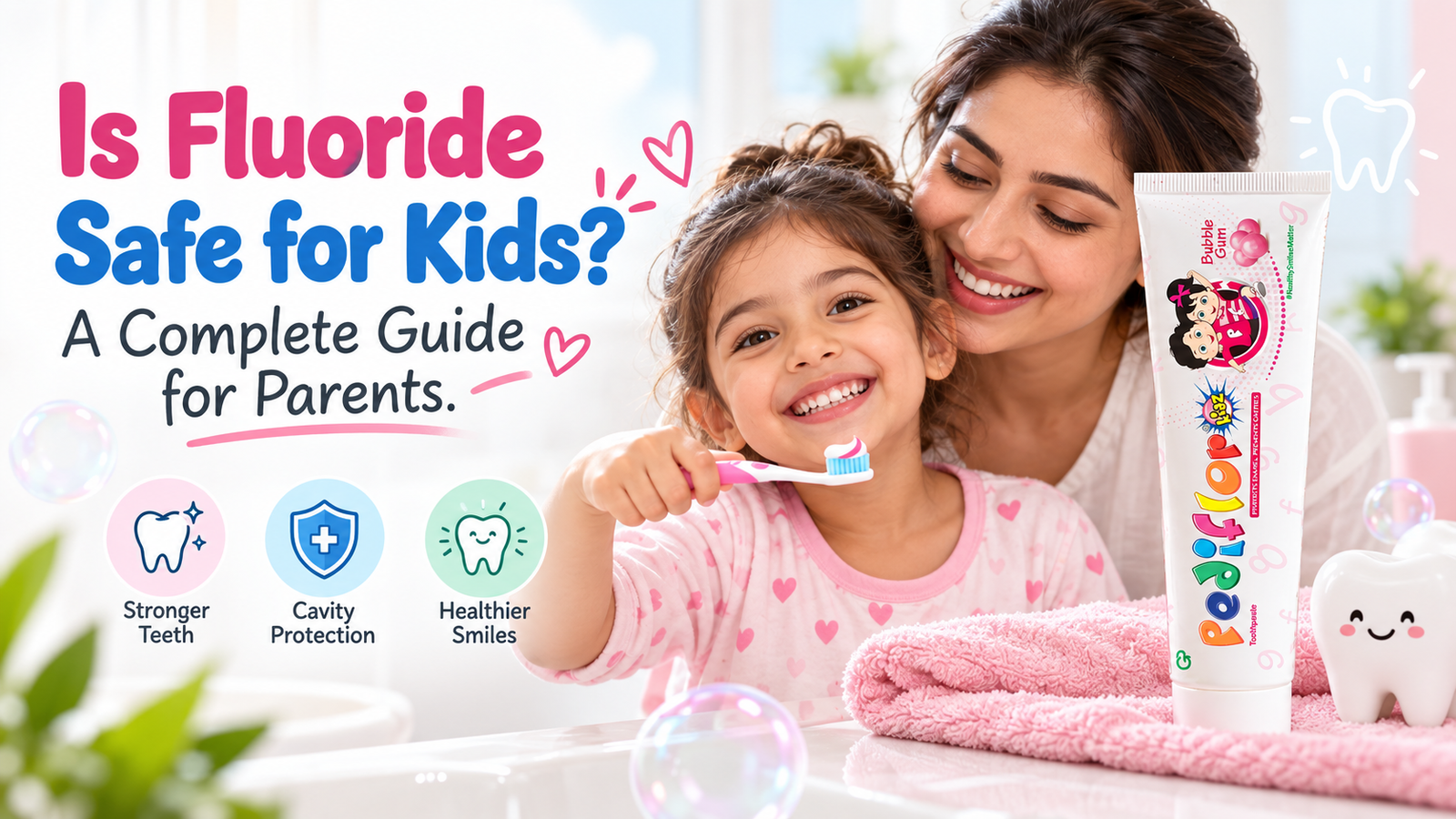

When it comes to children’s oral health, parents often have one important question: is fluoride safe for kids?
The answer is yes. Fluoride is widely used in children’s oral care because it helps protect teeth from cavities and supports the remineralization of early tooth damage. The key is not simply whether a toothpaste contains fluoride, but how much is used, how it is used, and whether a child is supervised while brushing.
For parents, understanding these basics can make choosing a fluoride toothpaste for children much easier and help build healthy brushing habits from an early age.
What Makes Fluoride Toothpaste Safe for Children?
Fluoride toothpaste can be a safe and effective part of children’s dental care when it is used appropriately. The amount of toothpaste placed on the brush, the child’s age, and their ability to spit after brushing all matter.
Young children may not yet know how to spit toothpaste properly, which is why adult supervision is particularly important during the early years.
The goal is simple: use the appropriate amount of toothpaste and encourage children to brush regularly without swallowing it.
How Does Fluoride Protect Children’s Teeth?
Every day, teeth are exposed to acids produced when bacteria in the mouth interact with sugars from food and drinks. These acids can gradually weaken tooth enamel through a process called demineralization.
Fluoride helps counter this process by supporting the remineralization of enamel and making the tooth surface more resistant to acid attacks. This is one reason fluoridated toothpaste is commonly recommended for children’s cavity protection.
For growing children, establishing this protection early can be an important part of maintaining healthy teeth.
Why Does the Amount of Toothpaste Matter?
More toothpaste does not mean more protection.
Younger children may accidentally swallow toothpaste while brushing. Using an age-appropriate amount helps limit unnecessary fluoride intake while still allowing the toothpaste to work effectively.
For example, guidance referenced by India’s National Centre for Disease Control recommends a rice-grain-sized amount for children under 3 years and a pea-sized amount for children aged 3–6 years, with parental supervision.
Parents should also follow the instructions provided with the specific toothpaste and seek advice from their child’s dentist when they are unsure which product or amount is appropriate.
How Can Parents Use Fluoride Toothpaste Safely?
Using fluoride toothpaste for children does not have to be complicated. A few simple habits can make a significant difference.
Teach Children to Brush and Spit
Children should be encouraged to brush their teeth thoroughly and spit out the toothpaste after brushing rather than swallowing it.
Younger children may need help from a parent or caregiver until they develop the ability to brush and spit independently.
Adult supervision is particularly useful because it helps parents control the amount of toothpaste used and ensures that brushing is done properly.
Choose Toothpaste According to Your Child’s Needs
There is no single toothpaste that is necessarily right for every child.
When choosing a fluoridated toothpaste, parents should consider:
- The child’s age
- Fluoride concentration
- Current oral health
- Cavity risk
- Brushing habits
- Advice from the child’s dentist
Children who already experience frequent cavities may require specific guidance from a dental professional about their oral care routine.
Understanding Fluoride Levels in Children’s Toothpaste
One of the most common questions parents ask is about fluoride concentration.
Fluoride concentration is generally expressed in parts per million (ppm). The number indicates how much fluoride is present in the toothpaste.
India’s National Centre for Disease Control notes that fluoride toothpaste plays an important role in preventing dental caries and discusses toothpaste containing at least 1000 ppm fluoride for caries prevention, while also emphasizing appropriate amounts and supervision for children.
This is why parents should look beyond labels such as “kids toothpaste” and check the actual fluoride concentration and usage instructions.
Pediflor Options for Children’s Oral Care
Group Pharmaceuticals offers children’s toothpaste options under the Pediflor range, including formulations with different fluoride concentrations.
PediflorKidz: 458 ppm Fluoride + 10% Xylitol
PediflorKidz is formulated with 458 ppm fluoride and 10% xylitol. According to the product information, the fluoride supports protection against demineralization and helps promote remineralization, while xylitol is included as part of the formulation for children’s oral care.
The toothpaste is available in child-friendly flavours, including Green Apple, Melon, Bubble Gum and Natural Orange, designed to make regular brushing more engaging for children.
Pediflor Kids 1000: 1000 ppm Fluoride
Group Pharma also offers a 1000 ppm fluoride children’s toothpaste. Its current product information lists fluoride and 10% xylitol as key ingredients and describes it as a daily oral care toothpaste for children. The current product page lists the age group as 3–12 years.
Because fluoride needs can vary depending on a child’s oral health and cavity risk, parents should follow the product directions and consult a dentist when deciding which fluoride toothpaste is appropriate for their child.
Frequently Asked Questions About Fluoride for Kids
Is fluoride safe for kids?
Yes. Fluoride toothpaste can be safely used by children when the appropriate amount is used and brushing is supervised, particularly for younger children.
What does fluoride do to children’s teeth?
Fluoride helps strengthen enamel, supports remineralization and helps protect teeth against acid attacks that can contribute to cavities.
Can children use fluoridated toothpaste every day?
Yes, fluoridated toothpaste can be part of a child’s regular oral care routine when used according to age-appropriate directions and under supervision where needed.
How much toothpaste should a child use?
The appropriate amount depends on the child’s age. For example, guidance referenced by India’s National Centre for Disease Control recommends a rice-grain-sized amount for children under 3 and a pea-sized amount for children aged 3–6 years.
What if my child swallows toothpaste?
Young children may accidentally swallow some toothpaste while learning to brush. Parents should use only the recommended amount and supervise brushing. If a child repeatedly swallows toothpaste or you have concerns about fluoride intake, speak with a dentist or healthcare professional.
Should I choose fluoride-free toothpaste for my child?
Not necessarily. Fluoride has an established role in cavity prevention. The more important considerations are the child’s age, the amount of toothpaste used, fluoride concentration and individual cavity risk.
Final Takeaway
So, is fluoride safe for kids? When used correctly, fluoride toothpaste can be an important part of children’s dental care and cavity prevention.
The basics are simple: choose an age-appropriate toothpaste, use the recommended amount, encourage your child to brush regularly, teach them to spit rather than swallow, and supervise brushing when needed.
For children, good oral health is built through consistent habits. Choosing the right toothpaste is one part of that routine, but regular brushing, a balanced diet and routine dental check-ups matter too.
PediflorKidz and Pediflor Kids 1000 from Group Pharmaceuticals provide different fluoride formulations for children’s oral care. Parents can consider the product’s fluoride concentration, their child’s individual needs and their dentist’s advice when choosing the right option.
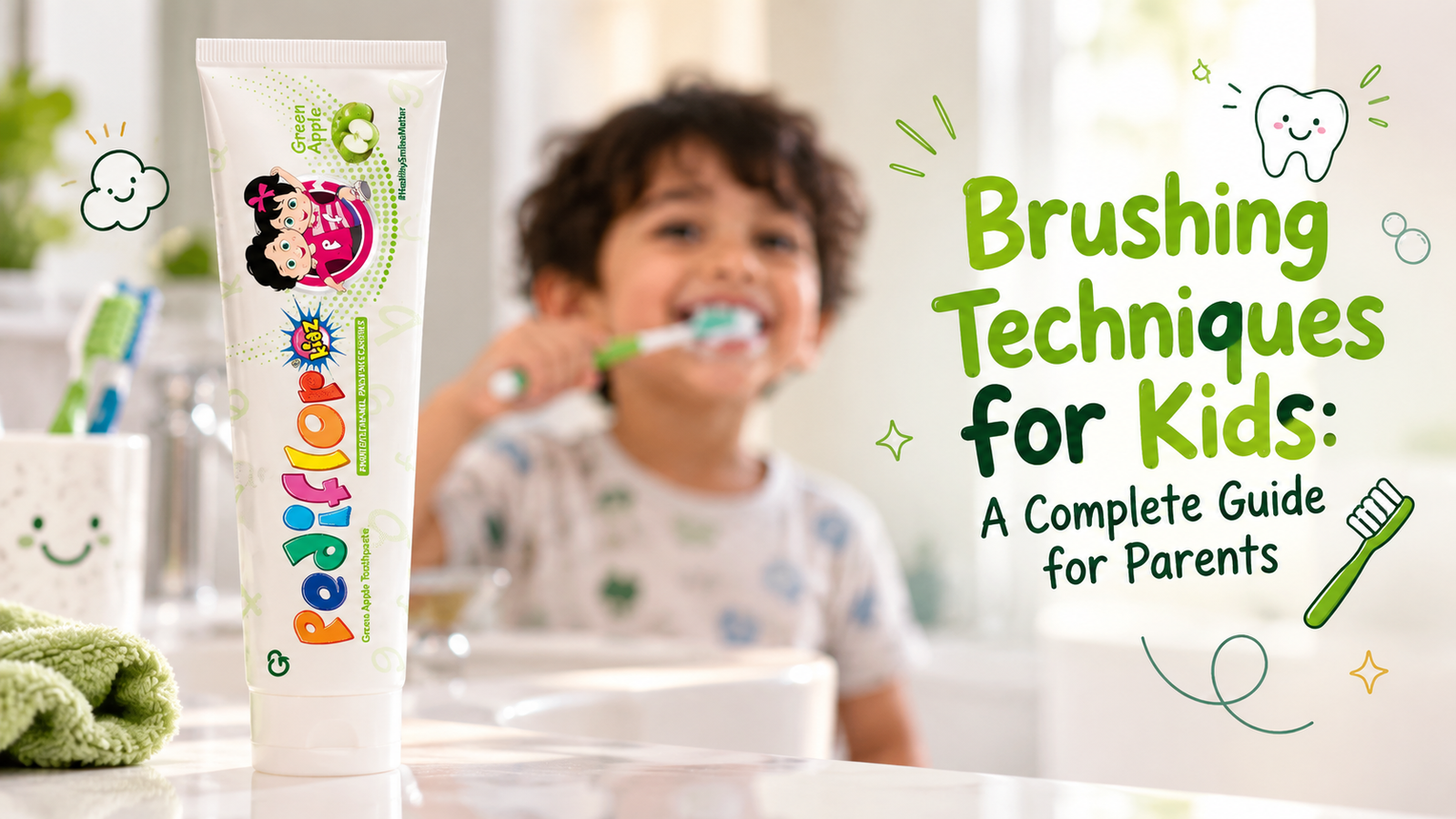
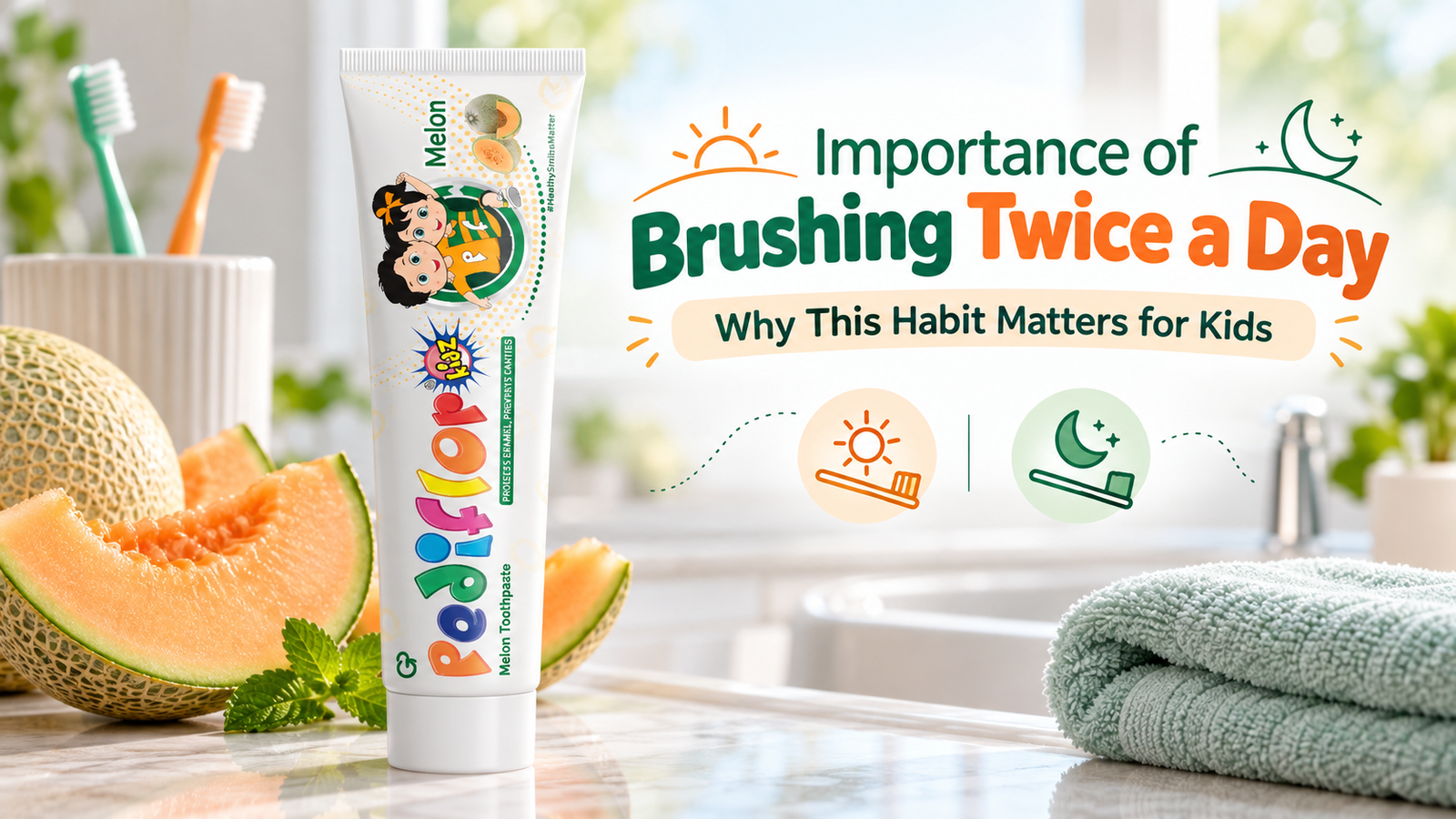
Building good oral care habits early can help children maintain healthy teeth as they grow. Parents can also learn more about the right age for fluoride toothpaste, effective brushing techniques for kids, and the importance of brushing twice a day to support better cavity prevention and overall dental health. Explore our other kids’ oral care guides for practical tips on creating a healthy and consistent brushing routine.