
Brushing Techniques for Kids: A Step-by-Step Guide for Parents
Teaching children how to brush their teeth properly is about more than simply putting toothpaste on a toothbrush and asking them to brush. Children are still developing the coordination needed to reach every part of their mouth, which is why parents often need to guide and supervise them.
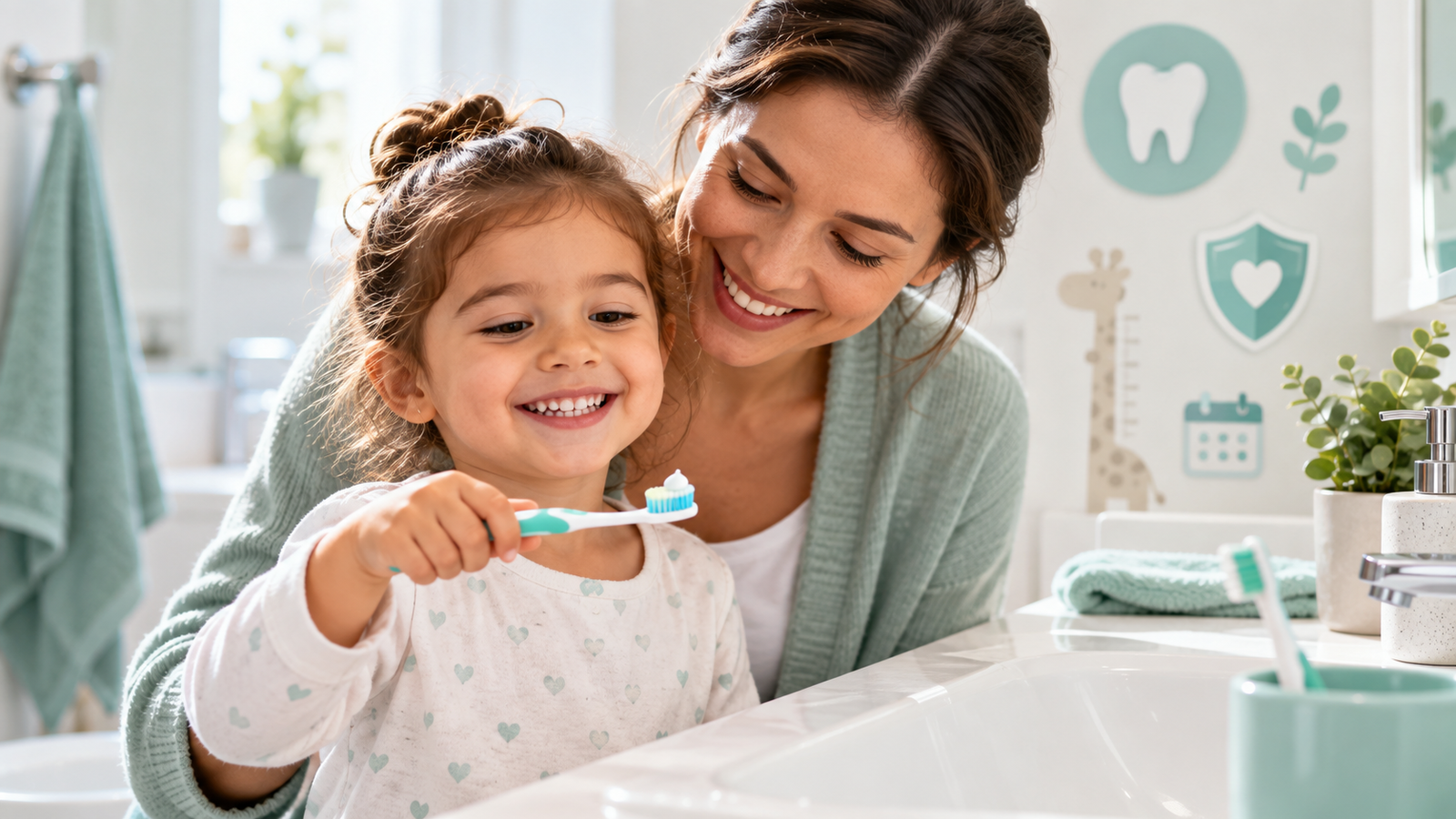
A good kids toothbrushing routine should be simple, consistent and easy for children to follow. With the right toothbrush, an appropriate fluoride toothpaste and a gentle brushing technique, parents can help make daily oral care for kids a regular part of their routine.
Building a Consistent Brushing Routine
Children are more likely to develop good brushing habits when brushing happens at the same times every day. Morning and bedtime are easy routines to remember and help make toothbrushing a natural part of the day.
How Often and How Long Should Kids Brush?
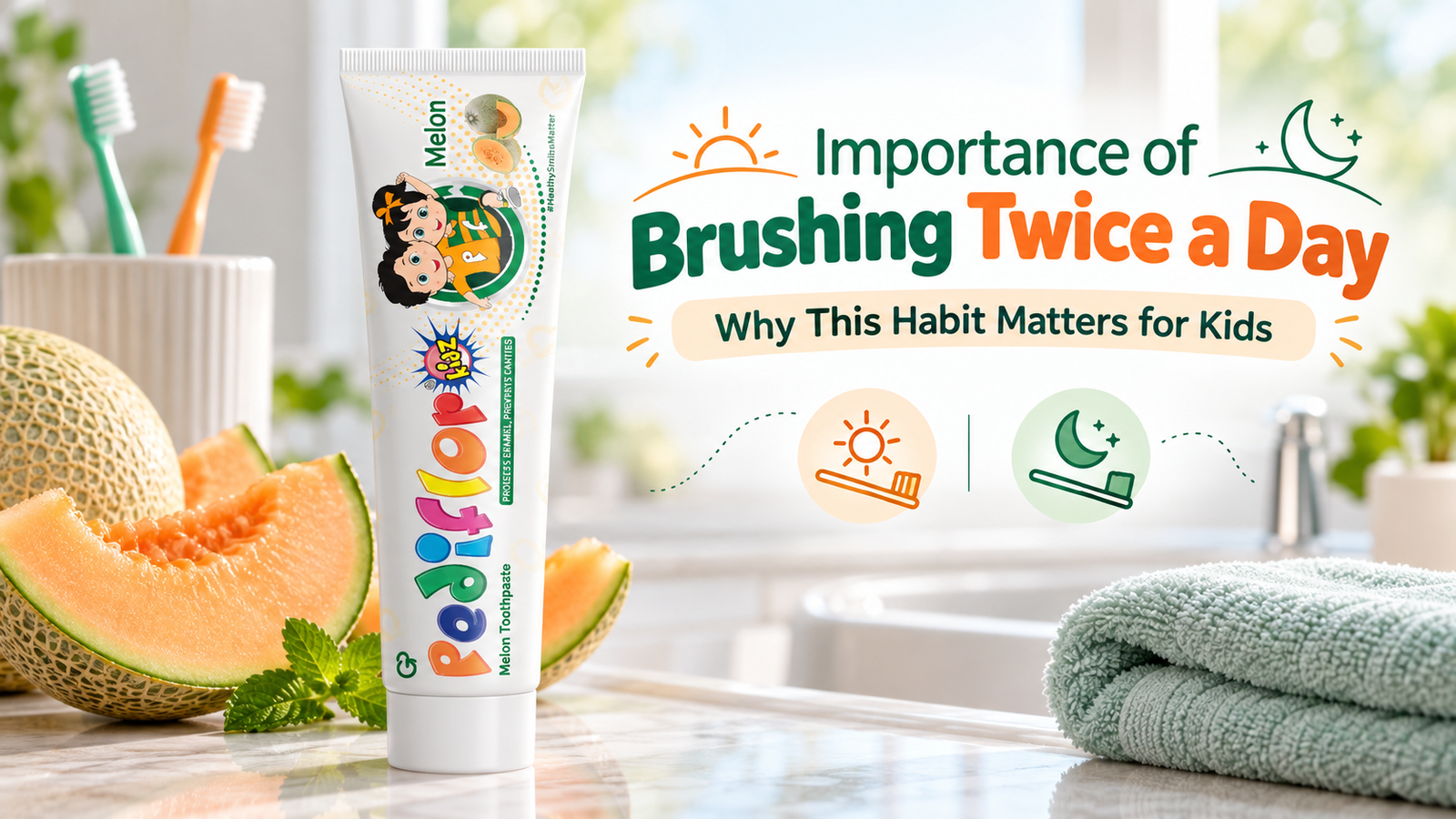
Children should brush their teeth twice a day for about two minutes each time.
A simple routine can be:
- Brush in the morning.
- Brush before bedtime.
- Spend about two minutes brushing.
- Encourage the child to spit out the toothpaste after brushing.
- Supervise or assist younger children as needed.
Bedtime brushing is particularly important because it becomes the last oral care step before the child goes to sleep.
The aim is not to make brushing complicated. The real goal is to make it consistent.
Choosing the Right Toothbrush
A toothbrush designed for children should have a small, age-appropriate head and soft bristles.
A smaller head makes it easier to reach children’s smaller mouths and back teeth, while soft bristles can clean the teeth without the need for aggressive pressure.
Parents should also check the condition of the toothbrush regularly. If the bristles become worn or spread out, it may be time to replace it.
Selecting the Right Fluoride Toothpaste
Toothpaste is another important part of a child’s brushing routine. A fluoride toothpaste for children can help provide protection against cavities when used appropriately.
However, parents should pay attention to both the fluoride concentration and the amount of toothpaste used.
Why Does Fluoride Concentration Matter?
Fluoride concentration is measured in parts per million, or ppm. Different children’s toothpaste formulations can contain different fluoride levels, so parents should check the product information rather than assuming that all children’s toothpastes are the same.
The appropriate toothpaste can depend on factors such as the child’s age, oral health and cavity risk. When parents are unsure which product is appropriate, a dentist can provide individual guidance.
The Pediflor Range by GroupPharma Rx
The Pediflor range from Group Pharmaceuticals includes children’s toothpaste options with different fluoride concentrations.
PediflorKidz contains 458 ppm fluoride and 10% xylitol. It is formulated for children’s everyday oral care and is available in child-friendly flavours.
The range also includes a 1000 ppm fluoride toothpaste, providing another fluoride concentration option for children’s oral care.
Because children’s oral care needs can differ, parents should follow the product’s directions and seek dental advice when they are unsure which fluoride toothpaste is appropriate for their child.
Make Brushing More Enjoyable With Familiar Flavours
For some children, the taste of toothpaste can make a difference to whether they enjoy brushing.
PediflorKidz is available in four flavours:
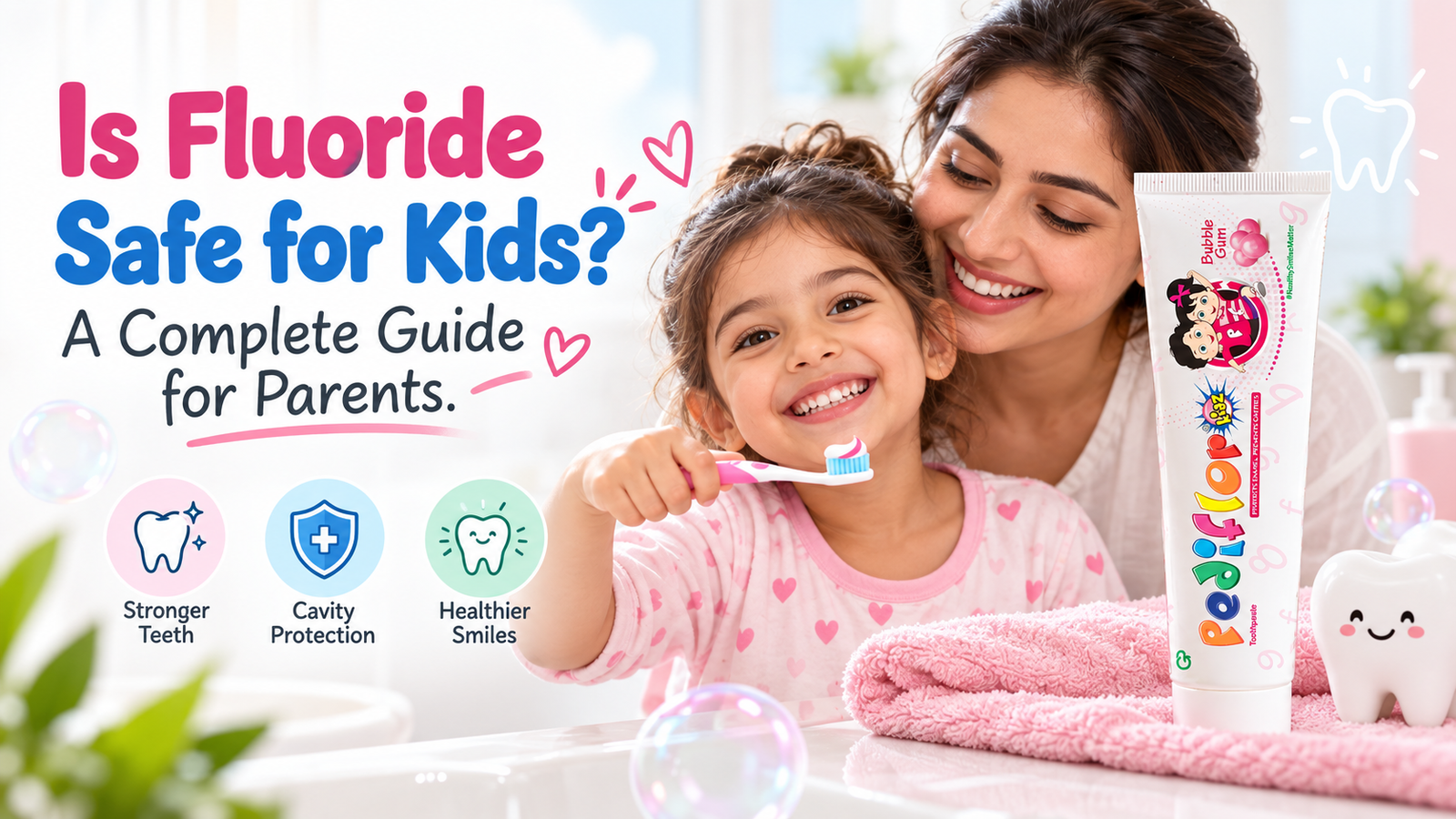
- Bubblegum
- Natural Orange
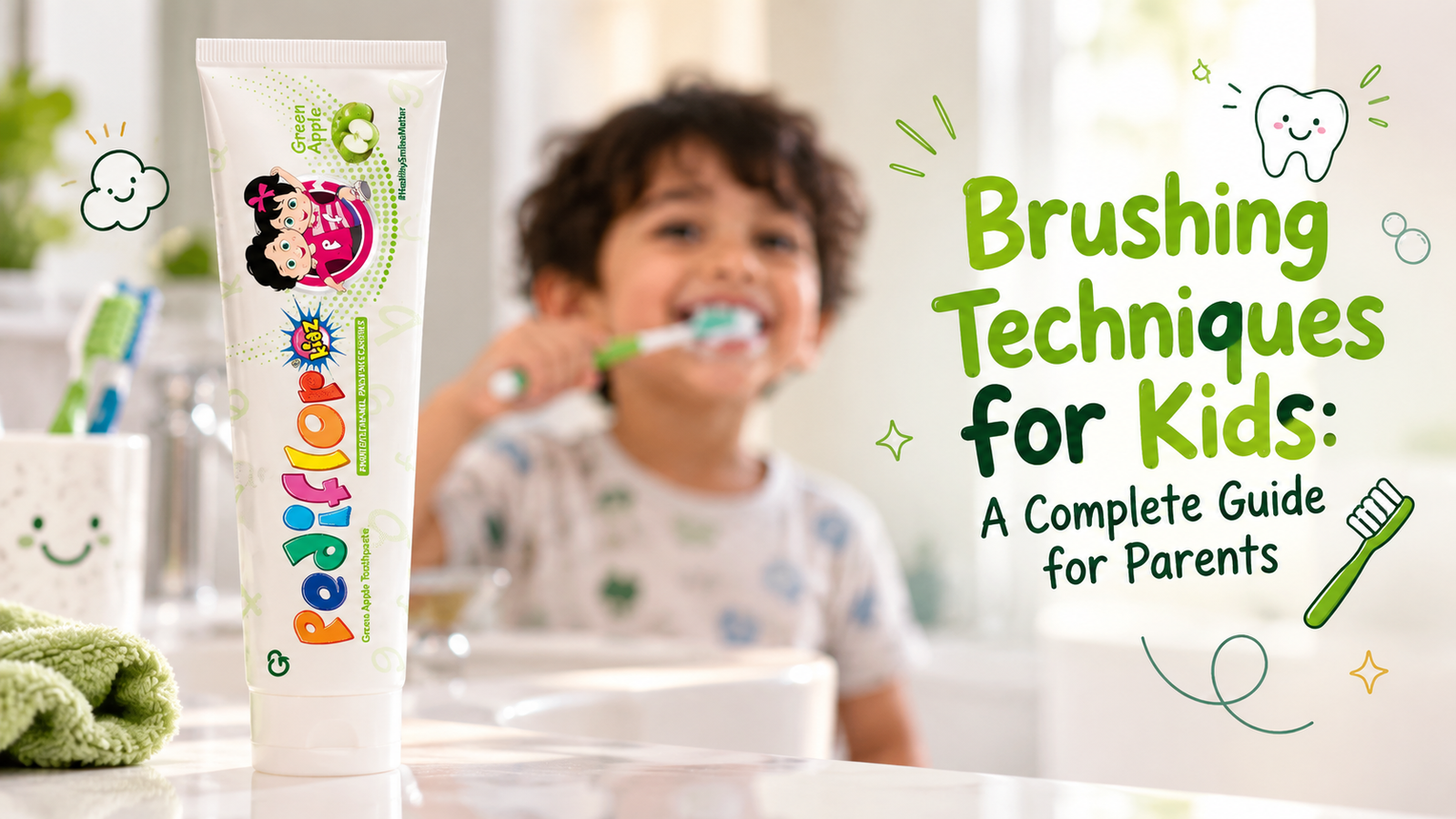
- Green Apple
- Melon
A flavour that a child enjoys can make the daily routine feel more engaging, while the parent can focus on making sure the teeth are actually being cleaned properly.
Correct Brushing Technique for Kids
Knowing brushing techniques for kids is just as important as choosing the right toothpaste.
Children should be encouraged to brush gently rather than scrub their teeth forcefully. Parents can demonstrate the movements first and then help the child repeat them.
Step 1: Start With the Outer Surfaces
Ask your child to place the toothbrush against the outer surface of the teeth.
Use small, gentle circular or short back-and-forth movements to clean the teeth. Move gradually along the mouth instead of brushing only the teeth that are easiest to reach.
Step 2: Clean the Inner Surfaces
The inside surfaces of the teeth can be easy for children to miss.
Guide the toothbrush along the inner side of both the upper and lower teeth, using the same gentle movements.
Pay particular attention to the front teeth because children may rush through this area.
Step 3: Brush the Chewing Surfaces
The chewing surfaces of the back teeth have grooves where food particles and plaque can collect.
Move the toothbrush gently across these surfaces, making sure to reach the back teeth on both sides of the mouth.
Step 4: Don’t Forget the Gumline
The area where the teeth meet the gums should also be cleaned gently.
There is no need to press hard. Gentle movements along the gumline can help clean the area without unnecessarily irritating the gums.
Step 5: Spit After Brushing
Once brushing is complete, children should be encouraged to spit out the toothpaste rather than swallow it.
Younger children may need repeated reminders because learning to spit properly takes time.
What Should Children Avoid While Brushing?
Good brushing is not about using more force. In fact, aggressive scrubbing can be uncomfortable for the gums and is unnecessary for effective cleaning.
Parents should remind children to:
- Avoid pressing the toothbrush too hard.
- Avoid rushing through the two-minute routine.
- Avoid brushing only the front teeth.
- Avoid skipping the back teeth.
- Avoid swallowing toothpaste.
- Avoid sharing toothbrushes.
A gentle and systematic approach is much more useful than simply brushing harder.
When Do Kids Need Help With Brushing?
Children naturally want to do things independently, and brushing is no different. However, being able to hold a toothbrush does not necessarily mean a child can clean every tooth thoroughly.
Younger children may need parents to brush their teeth for them or provide hands-on assistance. As children become more confident, parents can gradually encourage them to take over more of the routine while continuing to supervise.
One simple approach is “you brush, then I check.”
Let the child brush first, then the parent can finish any areas that were missed.
This can help children develop independence without leaving the entire responsibility to them before they are ready.
How Can Parents Make Brushing More Fun?
A routine does not have to feel like a daily battle.
Parents can make brushing more engaging by turning it into a small activity rather than a task that has to be completed quickly.
Try:
- Using a two-minute timer.
- Letting the child choose between suitable toothpaste flavours.
- Brushing together as a family.
- Singing a short brushing song.
- Using a sticker or habit chart.
- Letting the child choose their own toothbrush.
- Praising consistency rather than perfection.
Making Brushing Interactive With the Pediflor Day & Night Kit
A structured brushing routine can be easier for children when they have something visual to follow.
The Pediflor Day & Night Kit is designed around the idea of making children’s brushing routine more engaging. The kit includes:
- Two toothpaste flavours
- A Buddy Brush
- A Daily Habit Tracker
A habit tracker can be particularly useful for younger children because it gives them a simple visual way to see their brushing routine and stay involved in it.
A Simple Two-Minute Brushing Routine for Kids
If your child finds brushing confusing, keep the routine simple.
First: Start with the outer surfaces.
Next: Move to the inner surfaces.
Then: Brush the chewing surfaces of the back teeth.
Finally: Gently clean around the gumline and make sure no area has been missed.
Encourage your child to spend roughly equal attention on the upper and lower teeth and on both sides of the mouth.
With repetition, these steps can become a familiar part of the daily kids toothbrushing routine.
Final Takeaway
Good brushing techniques for kids do not need to be complicated. The essentials are simple: brush twice a day, spend about two minutes each time, use gentle movements, clean every surface of the teeth and use an appropriate fluoride toothpaste.
For younger children, parental supervision and assistance can make a big difference. As the child grows, parents can gradually hand over more responsibility while continuing to check that the routine is being followed properly.
With consistency, patience and a little encouragement, brushing can become more than a daily task. It can become a healthy habit that children carry with them as they grow.
Internal Linking Paragraph
A healthy kids’ toothbrushing routine starts with the right brushing techniques and the proper toothpaste. Parents can also learn more about the importance of brushing twice a day, the right age for fluoride toothpaste, and how to prevent cavities in children for complete oral care.