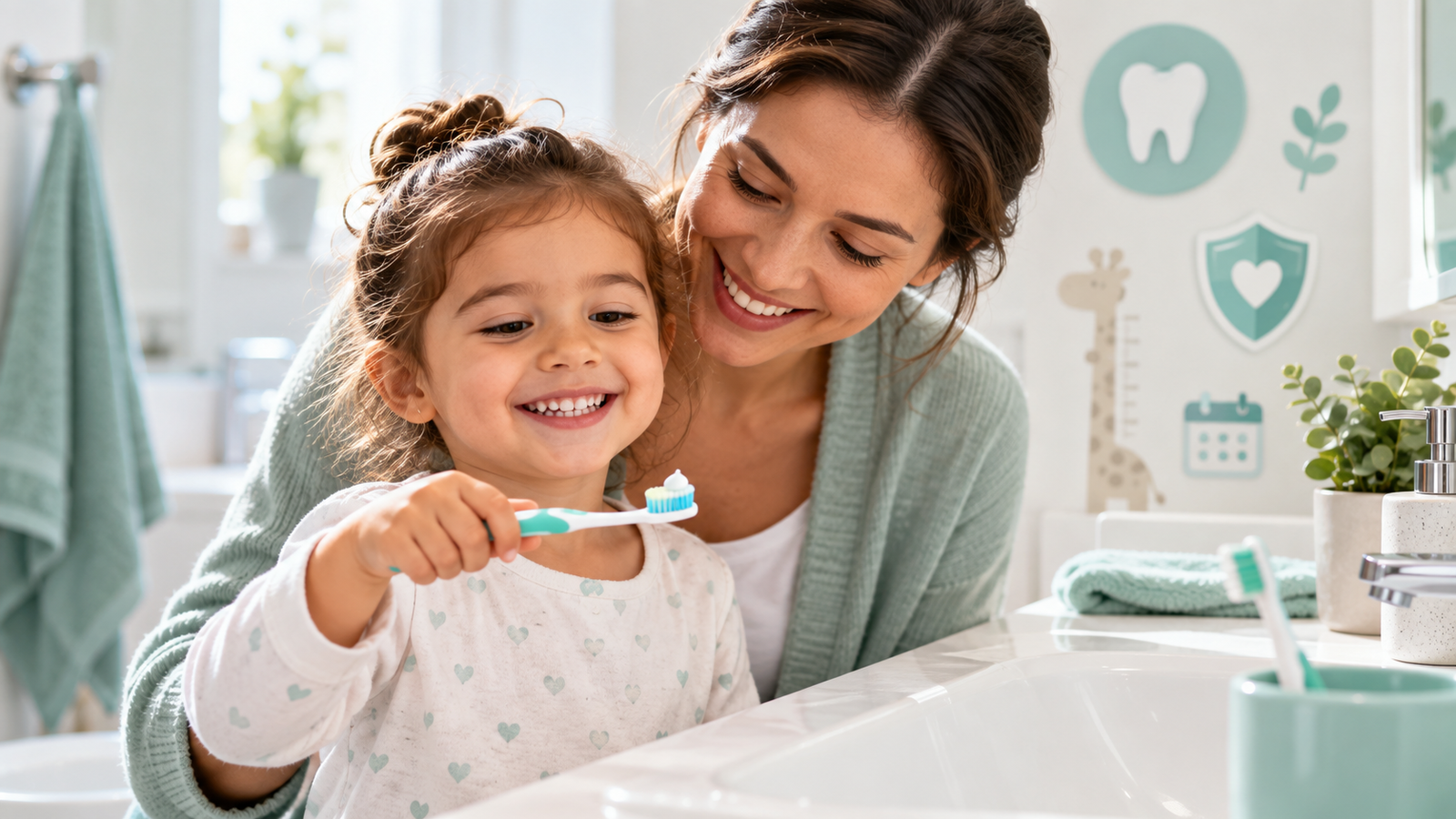
Getting children to brush their teeth twice a day can sometimes be a challenge. Some children enjoy brushing, while others would rather skip it altogether. Parents often try different ways to make the routine easier, from colourful toothbrushes to timers and brushing charts.
But what about toothpaste itself? Do flavours improve brushing habits, or do they simply make toothpaste more enjoyable?
The answer is not as simple as saying that flavour automatically leads to better brushing. However, a toothpaste flavour that a child likes may make the brushing experience more pleasant and can help parents encourage a more positive children’s brushing routine.
For children who are particular about taste, having a choice can be especially useful.
Why Can Flavour Matter to Children’s Brushing Routine?
Toothbrushing is a daily habit, and children may be more willing to participate when the experience feels comfortable and enjoyable.
Taste is one part of that experience.
Taste Preference Can Influence Engagement
Children can have strong preferences about what they eat and drink, and toothpaste is no different.
A toothpaste that tastes unpleasant to a child may make them reluctant to brush or complain about using it. On the other hand, a flavour they enjoy may make the experience feel more familiar and acceptable.
This does not mean that flavour alone will make a child brush correctly or consistently. Parents still play an important role in establishing the routine.
But when choosing between suitable children’s toothpaste options, taste can be a practical consideration.
What Does Research Say About Children’s Toothpaste Preferences?
Research has explored children’s preferences for toothpaste flavour and sensory characteristics.
One survey reported that 50% of children preferred sweet-flavoured toothpaste, suggesting that flavour can influence children’s toothpaste preferences.
However, preference is not the same as proof that a particular flavour will improve brushing frequency or brushing quality. A child may prefer a certain taste without necessarily brushing for longer or more thoroughly.
This distinction is important for parents.
Flavour can support the experience, but the brushing habit still needs to be built.
PediflorKidz: Four Flavours for Children’s Oral Care
When children have different taste preferences, offering some choice can make the daily routine more engaging.
PediflorKidz, from Group Pharmaceuticals, is available in four flavours:
- Natural Orange
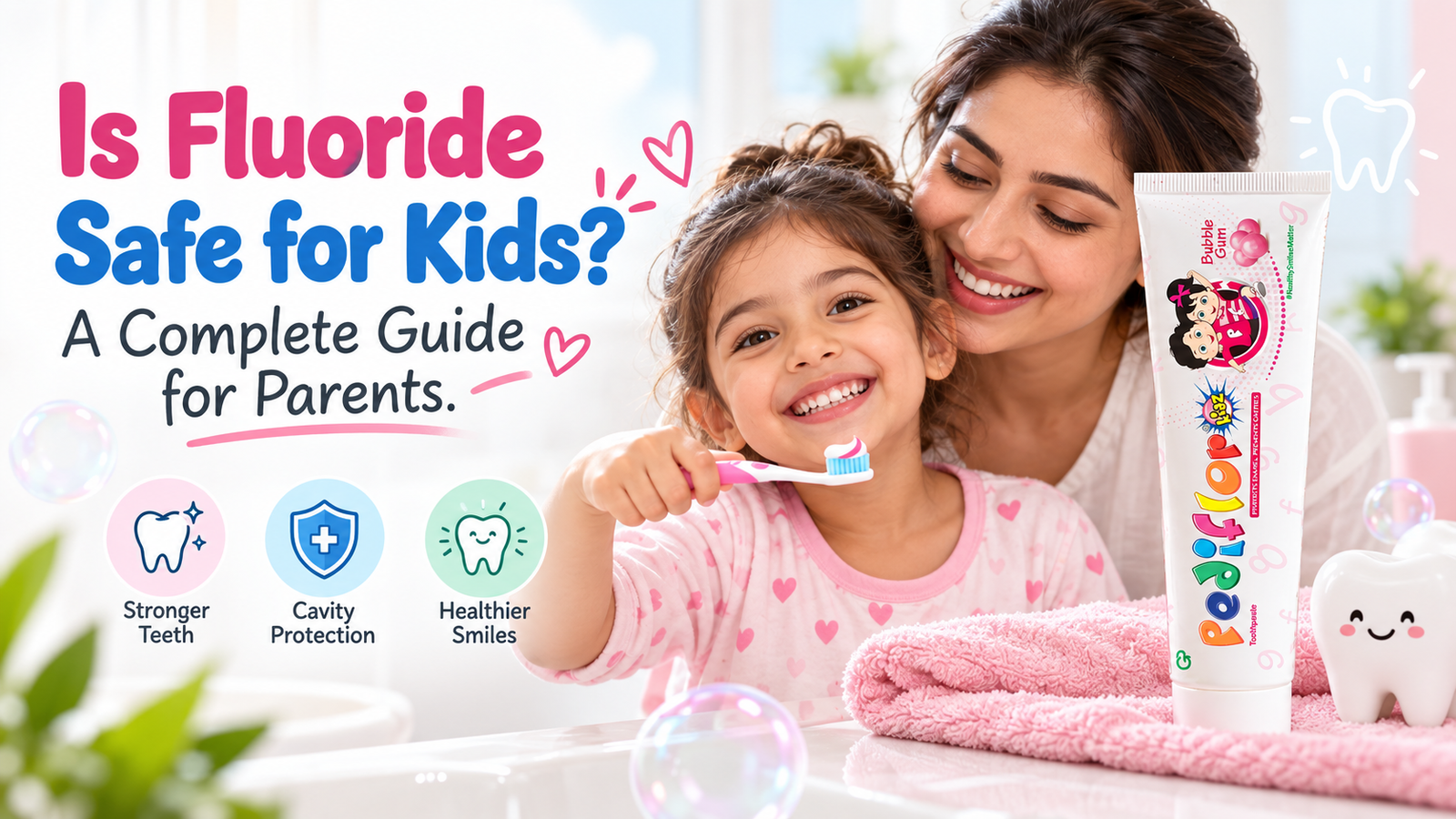
- Bubblegum
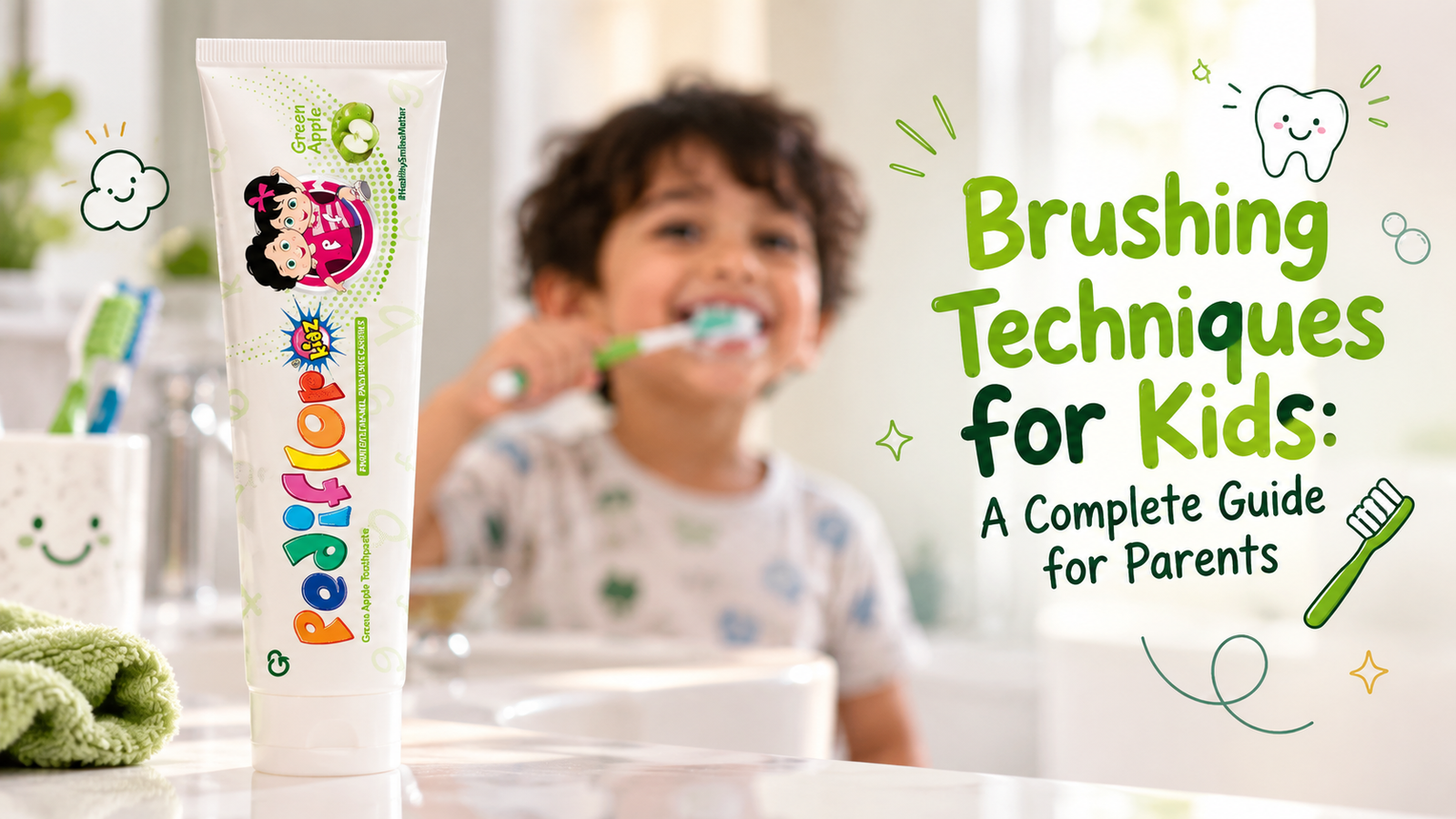
- Green Apple
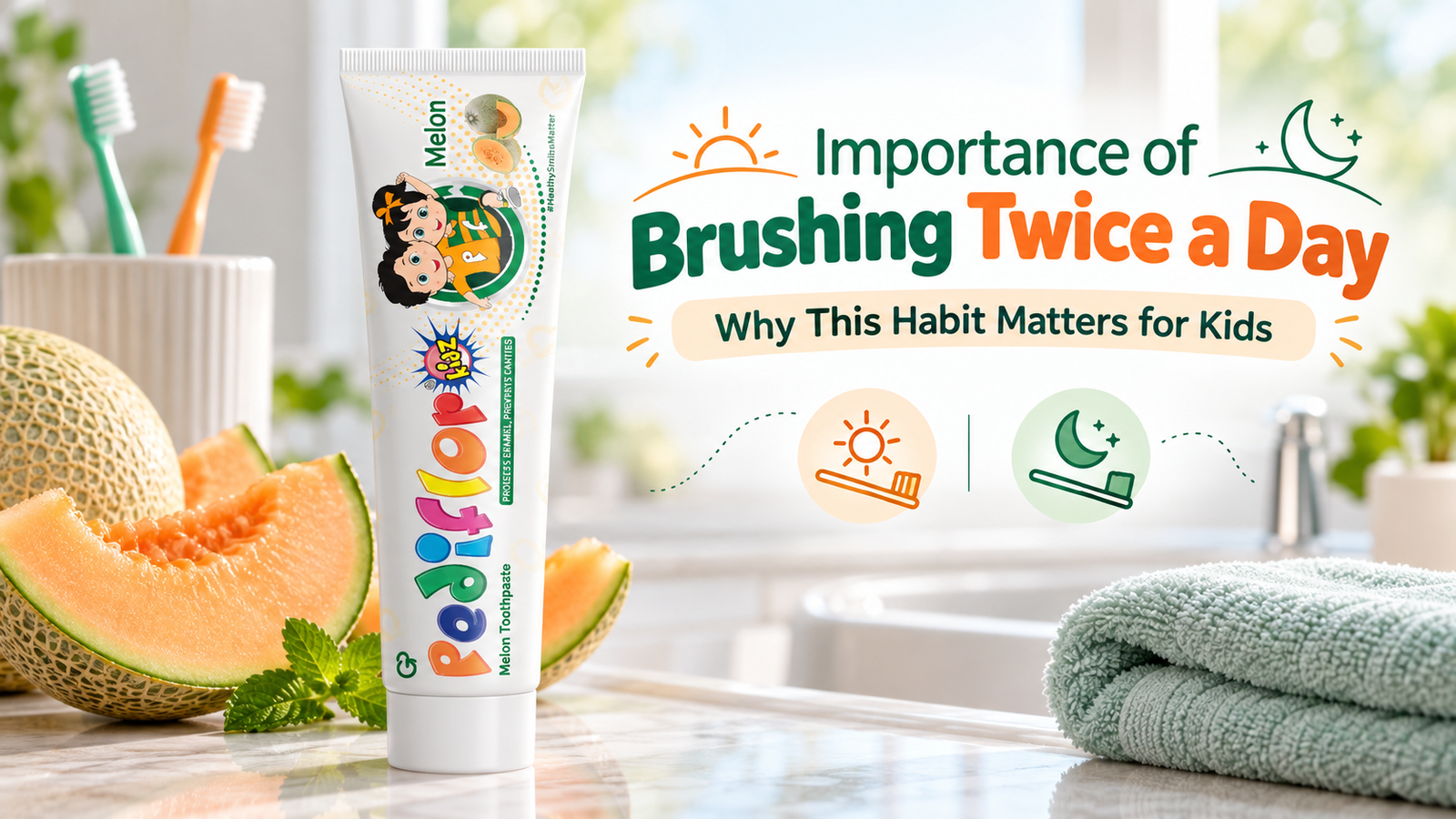
- Melon
Having multiple options means children can find a flavour they prefer instead of feeling that they have only one toothpaste choice.
For parents, this can be a simple way to make the kids toothpaste taste part of the conversation rather than turning every brushing session into an argument.
Can Letting Children Choose Their Flavour Help?
Giving children a small amount of control can make routines feel more engaging.
Instead of asking:
“Are you going to brush your teeth?”
parents can try:
“Which flavour would you like to use today?”
The brushing itself remains non-negotiable, but the child gets a choice within the routine.
For example, a child may choose Green Apple in the morning and Bubblegum at night. Another child may prefer Natural Orange every day.
The point is not which flavour they choose. The point is creating a more positive relationship with the routine.
How Could Flavour Influence Brushing Behaviour?
A Pleasant Taste May Make Brushing More Comfortable
Taste can affect how children experience toothpaste.
If a child enjoys the flavour, they may be less likely to complain about using toothpaste or resist having it placed on their toothbrush.
For children who are particularly sensitive to tastes, finding a toothpaste they are comfortable using may remove one small barrier to regular brushing.
Variety Can Make the Routine Feel Less Repetitive
Children often respond well to small elements of choice and variety.
Having four Pediflor Kids flavours gives parents an opportunity to introduce variety without changing the basic brushing routine.
The child still brushes twice a day, but the experience does not have to feel exactly the same every time.
But Can Flavour Make Children Brush Longer?
This is where parents should keep expectations realistic.
A pleasant flavour may make brushing more enjoyable, but it does not guarantee that a child will brush for the recommended amount of time or clean every tooth surface properly.
Parents should continue to supervise younger children, encourage thorough brushing and use the appropriate amount of toothpaste.
Flavour should be viewed as an engagement tool, not a replacement for good brushing habits.
What Actually Makes a Children’s Brushing Routine Effective?
A child-friendly flavour can help make toothpaste more acceptable, but several other factors matter more to the overall routine.
Brush Twice a Day
Children should brush their teeth twice a day for about two minutes.
Keeping brushing connected to established morning and bedtime routines can help children understand that it is simply part of their day.
Use an Appropriate Fluoride Toothpaste
The toothpaste should also provide appropriate fluoride protection for the child’s age and individual needs.
Parents should follow the product’s directions and use the recommended amount rather than assuming that more toothpaste provides more protection.
Supervise Younger Children
Young children may not yet have the coordination needed to clean every surface properly.
Parents can supervise brushing, help with missed areas and encourage children to spit out toothpaste rather than swallow it.
Make the Routine Predictable
Children often respond well when routines happen at approximately the same time every day.
For example:
Morning → Brush → Get ready for the day
Night → Brush → Bedtime
When brushing becomes predictable, children may be less likely to see it as something that can be skipped.
Flavour Is Helpful, But It Is Not the Whole Story
It can be tempting to think that the “right” toothpaste flavour will solve brushing problems.
In reality, children’s brushing habits are influenced by many things, including age, parental involvement, routine, comfort with the toothbrush and their overall attitude toward oral care.
Flavour is simply one factor.
If a child refuses to brush, changing toothpaste may help if taste is the problem. But parents may also need to look at whether the toothbrush is comfortable, whether the child is being rushed, whether the routine is consistent or whether the child needs more help.
Sometimes a small change can make the entire routine easier.
How Parents Can Use Flavour as Part of the Routine
Here are a few simple ways to make flavour work in your child’s favour:
Let them choose: Offer two suitable flavours and allow your child to pick one.
Create variety: If your child enjoys different flavours, rotate them rather than using the same one every day.
Keep the routine consistent: The flavour can change, but brushing should still happen twice daily.
Use positive reinforcement: Praise your child for completing the routine rather than focusing only on whether they brushed perfectly.
Keep supervision in place: A fun flavour does not replace parental guidance for younger children.
Final Takeaway
So, do flavours improve brushing habits?
They may help make brushing a more pleasant experience for some children, particularly those who are sensitive to the taste of toothpaste or reluctant to brush. But flavour should not be treated as a guarantee of better brushing.
The bigger picture is what matters: twice-daily brushing, appropriate fluoride toothpaste, the right amount of toothpaste, thorough cleaning and parental supervision where needed.
With four options including Natural Orange, Bubblegum, Green Apple and Melon, PediflorKidz gives children some choice in their daily oral care routine.
Sometimes, making brushing more enjoyable starts with something as simple as letting a child choose the flavour they like.